
Could Your Dentist Spot the Signs of Sleep Apnoea?
Seven mouth and dental signs that could be worth paying attention to
Millions of people may be living with sleep apnoea without realising it. While loud snoring is often the symptom people associate with the condition, sleep apnoea can affect much more than your sleep.
Interestingly, some warning signs may also be noticed during a routine dental appointment — before a patient realises that their sleep could be the problem.
What is sleep apnoea?
Obstructive sleep apnoea (OSA) occurs when the airway repeatedly narrows or becomes blocked during sleep. This can interrupt breathing and cause repeated awakenings throughout the night.
Common symptoms include:
- Loud, persistent snoring
- Waking up gasping or choking
- Morning headaches
- Excessive daytime tiredness
- Difficulty concentrating
- Poor-quality or broken sleep
Recent research suggests that obstructive sleep apnoea may be much more common than previously recognised, with a significant number of people potentially remaining undiagnosed.
What does your mouth have to do with it?
Dentists don’t diagnose sleep apnoea, but your mouth can sometimes provide clues that something may be affecting your breathing during sleep.
As Dr Bhavika Parekh, General Dental Surgeon at Smile n Shine, explains:
“Dentists do not diagnose sleep apnoea, but we can sometimes spot clues that suggest a patient may need to speak to their GP or a sleep specialist.”
Clenching, grinding, mouth breathing and changes to the teeth or oral tissues can sometimes be seen during a routine examination.
Seven sleep apnoea signs your dentist might spot
1. Worn or flattened teeth
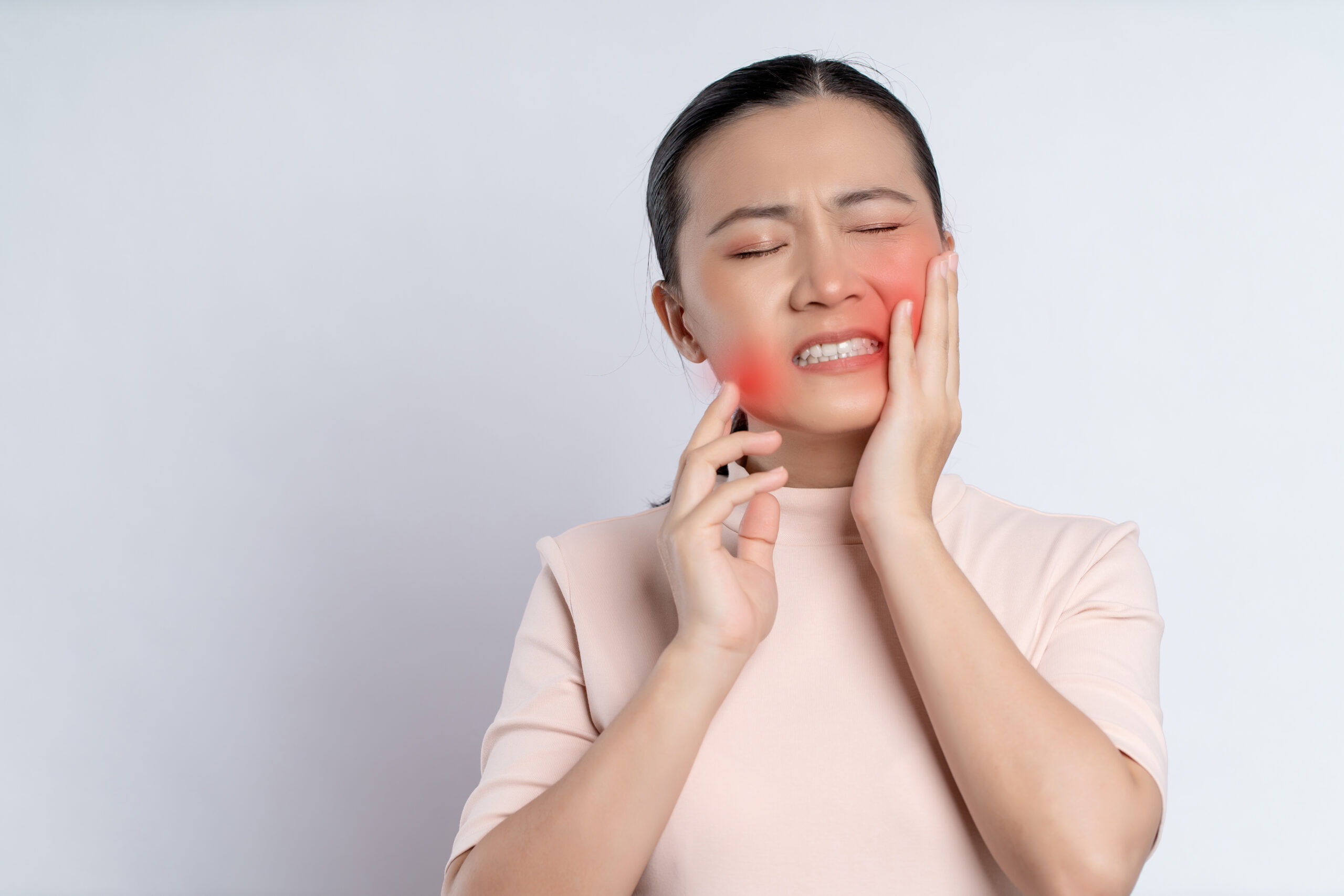
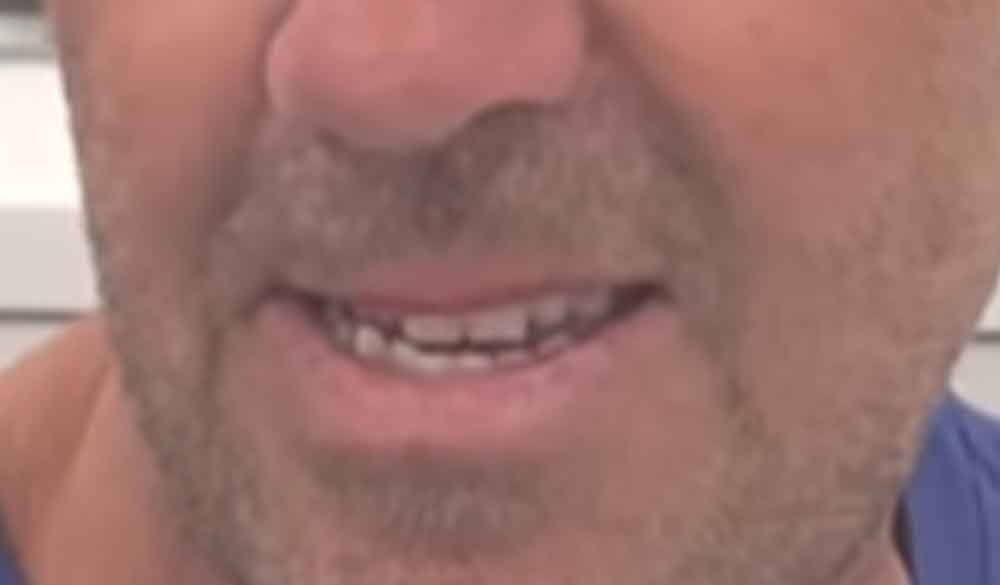
If you grind or clench your teeth at night, you may gradually develop teeth that look worn, chipped or flattened.
Teeth grinding (bruxism) can have many different causes, so worn teeth do not automatically mean you have sleep apnoea. However, when this is seen alongside other symptoms of disrupted sleep, it may be something worth discussing.
2. Jaw pain or tightness
Do you wake up with a sore jaw or tight facial muscles?
Night-time clenching and grinding can put significant strain on the muscles and joints around the jaw. If you regularly experience jaw discomfort in the morning, particularly alongside poor sleep or snoring, mention it to your dentist.
3. A dry mouth in the morning
Waking up with a very dry mouth can sometimes indicate that you are breathing through your mouth while asleep.
Mouth breathing may be particularly noticeable when it occurs alongside snoring, tiredness or frequent waking during the night.
Persistent mouth dryness can also have consequences for your oral health, so it is worth discussing with your dental team.
4. Signs of long-term mouth breathing
Your dentist may notice signs associated with regular mouth breathing, such as dry oral tissues or gum irritation.
Mouth breathing can occur for many reasons, so these signs alone cannot confirm sleep apnoea. However, they may form part of a wider picture when combined with other symptoms.
5. A scalloped or indented tongue
Have you noticed indentations around the edges of your tongue?
A scalloped tongue can sometimes occur when the tongue repeatedly presses against the teeth. On its own, this is not a diagnosis of sleep apnoea, but it can be worth mentioning to your dentist — particularly if you also snore or regularly wake feeling tired.
6. A small jaw, crowded mouth or restricted airway space
The shape and structure of the mouth and jaw can influence the space available for airflow.
During a dental examination, your dentist may notice features such as a smaller jaw or a crowded mouth that could potentially contribute to snoring or disrupted breathing during sleep.
Again, these features do not mean that you have sleep apnoea. They are simply potential clues that may warrant further discussion if symptoms are also present.
7. Tiredness, headaches or broken sleep
Sometimes the most important clue isn’t something your dentist can see — it’s something you tell them.
Patients may mention:
- Waking with headaches
- Feeling exhausted despite spending enough time in bed
- Waking repeatedly during the night
- Being told that they snore heavily
- Being told that they stop breathing during sleep
These symptoms can help your dentist recognise when it may be appropriate to recommend speaking to your GP.
One sign doesn’t mean you have sleep apnoea
It’s important not to jump to conclusions.
As Dr Bhavika explains:
“One sign on its own does not mean someone has sleep apnoea.”
Worn teeth, a dry mouth, a scalloped tongue or jaw discomfort can all have different causes.
However, a combination of signs and symptoms may be worth investigating. If you snore loudly, wake up choking or gasping, feel extremely tired during the day, or someone has noticed pauses in your breathing while you sleep, it’s important to seek medical advice.
When should you speak to your GP?
If you think you might have sleep apnoea, speak to your GP — particularly if you regularly:
- Snore loudly
- Wake up choking or gasping
- Feel excessively tired during the day
- Wake with headaches
- Have broken or poor-quality sleep
- Have been told that you stop breathing while asleep
A dentist cannot diagnose sleep apnoea. Diagnosis needs to follow the appropriate medical pathway, usually involving a sleep assessment. Treatment will depend on the individual and the severity of the condition.
Your dental appointment could be an opportunity to spot the signs
Sleep, oral health and general health are closely connected.
As Dr Bhavika concludes:
“Sleep is not separate from oral health or general health. If something is affecting how you breathe at night, it can show up in different ways, including in the mouth.”
A routine dental appointment should never replace medical advice, but it can provide another opportunity to notice potential warning signs and encourage someone to seek the right support.
If you recognise several of the symptoms mentioned in this article, don’t ignore them. Speak to your GP and let your dental team know what you’ve been experiencing too.
Your dentist may not diagnose sleep apnoea — but they may help you recognise that something is worth checking.