
Microneedling: Tiny Needles, Big Results—The Science Behind Collagen Induction Therapy
What if one of the most effective anti-ageing treatments relied on your body’s natural healing ability?
Microneedling has become one of the most researched and widely used skin rejuvenation treatments worldwide. Despite its simple concept, its ability to stimulate collagen production has made it a favourite among both practitioners and patients.
Microneedling in Newbury has become one of the most popular treatments for patients looking to improve skin texture, stimulate collagen production, and support healthy ageing.
But why has this treatment become such a cornerstone of modern aesthetics?
What Is Microneedling?
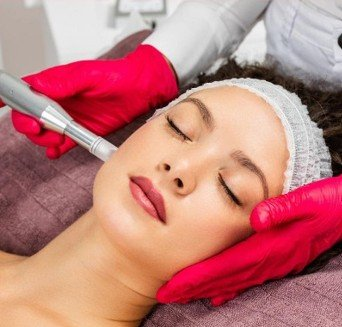
Microneedling, also known as collagen induction therapy, uses fine needles to create controlled micro-injuries within the skin.
While this may sound intimidating, these tiny channels stimulate the body’s natural wound-healing response, encouraging the production of:
- Collagen
- Elastin
- New skin cells
The result is healthier, smoother, firmer-looking skin.
Why Does Collagen Matter?
Collagen is often described as the skin’s “scaffolding.”
It provides structure, firmness, and elasticity.
Unfortunately, collagen production naturally declines with age. In fact, many experts suggest that collagen production gradually decreases from our mid-20s onwards.
Reduced collagen can contribute to:
- Fine lines
- Wrinkles
- Skin laxity
- Enlarged pores
- Uneven texture
Microneedling aims to stimulate the skin’s own regenerative processes to support collagen production.
What Can Microneedling Help With?
Microneedling is commonly used to improve:
✔ Fine lines and wrinkles
✔ Acne scars
✔ Stretch marks
✔ Enlarged pores
✔ Uneven skin texture
✔ Sun damage
✔ Overall skin rejuvenation
Because it works through collagen stimulation, its benefits extend beyond anti-ageing alone.
Why Is It So Popular?
One reason microneedling remains popular is its versatility.
It can be tailored to different skin concerns and often fits into broader skin health plans.
Additionally, because it encourages natural regeneration, many patients appreciate that results develop gradually and naturally.
Myth vs Fact
Myth: Microneedling is only for acne scars.
Fact: It is widely used for skin rejuvenation, texture improvement, and anti-ageing.
Myth: The treatment is extremely painful.
Fact: Topical numbing creams are commonly used to improve comfort.
Myth: One session is enough.
Fact: Treatment plans vary depending on individual concerns and goals.
Microneedling and Combination Treatments
Modern aesthetics increasingly focuses on combining treatments for enhanced outcomes.
Microneedling may be used alongside:
- Polynucleotides
- Skin boosters
- Medical-grade skincare
Suitability for combination treatments should always be assessed by a qualified professional.
Why Is Microneedling So Popular?
Microneedling is increasingly chosen by patients seeking natural skin rejuvenation and collagen stimulation.
It is commonly used to improve:
- Acne scars
- Enlarged pores
- Fine lines and wrinkles
- Uneven skin texture
- Sun damage
By stimulating collagen and elastin production, Microneedling in Newbury continues to be a popular option for supporting healthier skin over time.
Recovery: What Should Patients Expect?
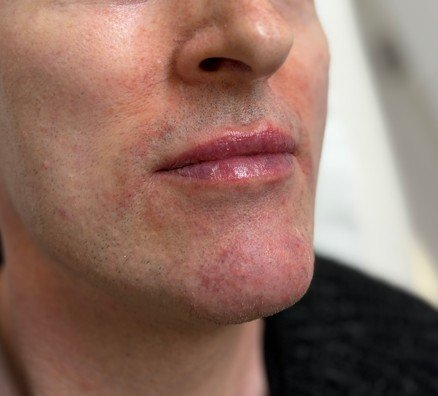
Following treatment, patients may experience temporary redness, similar to mild sun exposure.
Recovery varies from person to person, but following aftercare advice is essential for supporting optimal results.
Frequently Asked Questions
Is microneedling suitable for all skin types?
Suitability varies depending on skin condition and individual factors. A consultation is essential.
How quickly will I see results?
Results often develop gradually as collagen remodelling occurs over time.
Can microneedling prevent ageing?
No treatment can stop ageing, but some treatments aim to support skin health and improve visible signs of ageing.
The Future of Skin Rejuvenation
As aesthetic medicine moves toward regeneration rather than transformation, microneedling continues to play an important role in supporting healthier skin.
Sometimes the most effective treatments don’t add anything new—they simply help your skin do what it was designed to do all along: heal and regenerate.